
Kim Holland, PhD
Research Professor
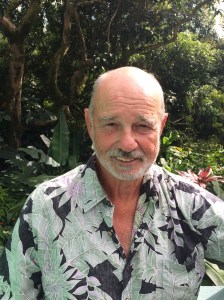 My interest is in the physiological ecology of marine organisms and in the interface between animal behavior and physiology. In researching these topics, I try to combine laboratory and fieldwork methods to address the questions at hand. Recently, this has taken the form of tracking the movements of pelagic and nearshore fishes and trying to relate their diel movements, home range sizes and swimming strategies to their foraging success and energy budgets. This research also has resource management ramifications. Originally trained as a chemosensory physiologist, I maintain an interest in this field.
Carl Meyer, PhD, FIBiol
Associate Researcher
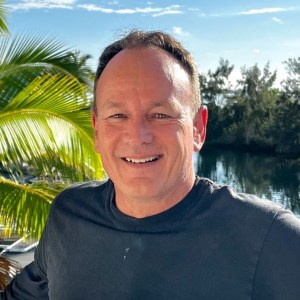 My current research focuses on the ecology and management of sharks and reef fishes. I’m interested in the movement patterns, habitat use and trophic ecology of sharks and fishes, and the navigational abilities of sharks. My research addresses a variety of issues of management concern including impacts of shark ecotourism, shark predation on critically endangered species, effectiveness of Marine Protected Areas (MPAs) and impacts of human recreational activities in MPAs.
Mark Royer, PhD
Postdoctoral Researcher, UH Manoa Affiliate Faculty
 I am a postdoctoral researcher at the Hawaiʻi Institute of Marine Biology (HIMB) Shark Lab. I earned my Ph.D. through the lab in 2020, with a dissertation focused on the thermoregulation, behavior, and metabolism of sharks that migrate daily between dramatically different thermal environments. Throughout my graduate studies and in my current role, I have contributed to numerous telemetry projects, tracking shark movements across the Hawaiian Archipelago and beyond. I also served as a research assistant in the Hawaiʻi Community Shark Tagging Program (sharktagger.org), assisting with the community shark tagging initiative, and bycatch reduction engineering research. My current research focuses on the behavior and physiological ecology of sharks.
Hunter Nueku
PhD Candidate
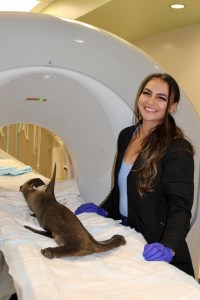 I earned my B.S. in Marine Science from California State University, Monterey Bay and went on to complete my M.S. at Jacksonville University in Florida, where my thesis focused on the ectoparasites found on juvenile lemon sharks in seasonal nursery habitats from South Georgia to Central Florida. I left home to give myself the best opportunity to learn all that I could from new places — and now, I’m incredibly grateful to be back in Hawaiʻi pursuing my Ph.D. under Dr. Carl Meyer. My current research focuses on a non-invasive approach to measuring the brain response of sharks and rays to sensory stimuli, helping us better understand how they perceive and interact with their environment. Born and raised on the west side of Oʻahu, place has always shaped how I approach science. As a Native Hawaiian, grounding my work in cultural values and ancestral knowledge is essential to me, and I strive to weave that foundation into every part of my research – I ulu nō ka lālā i ke kumu. The branches grow because of the trunk.
Lauren Arnold
PhD Candidate
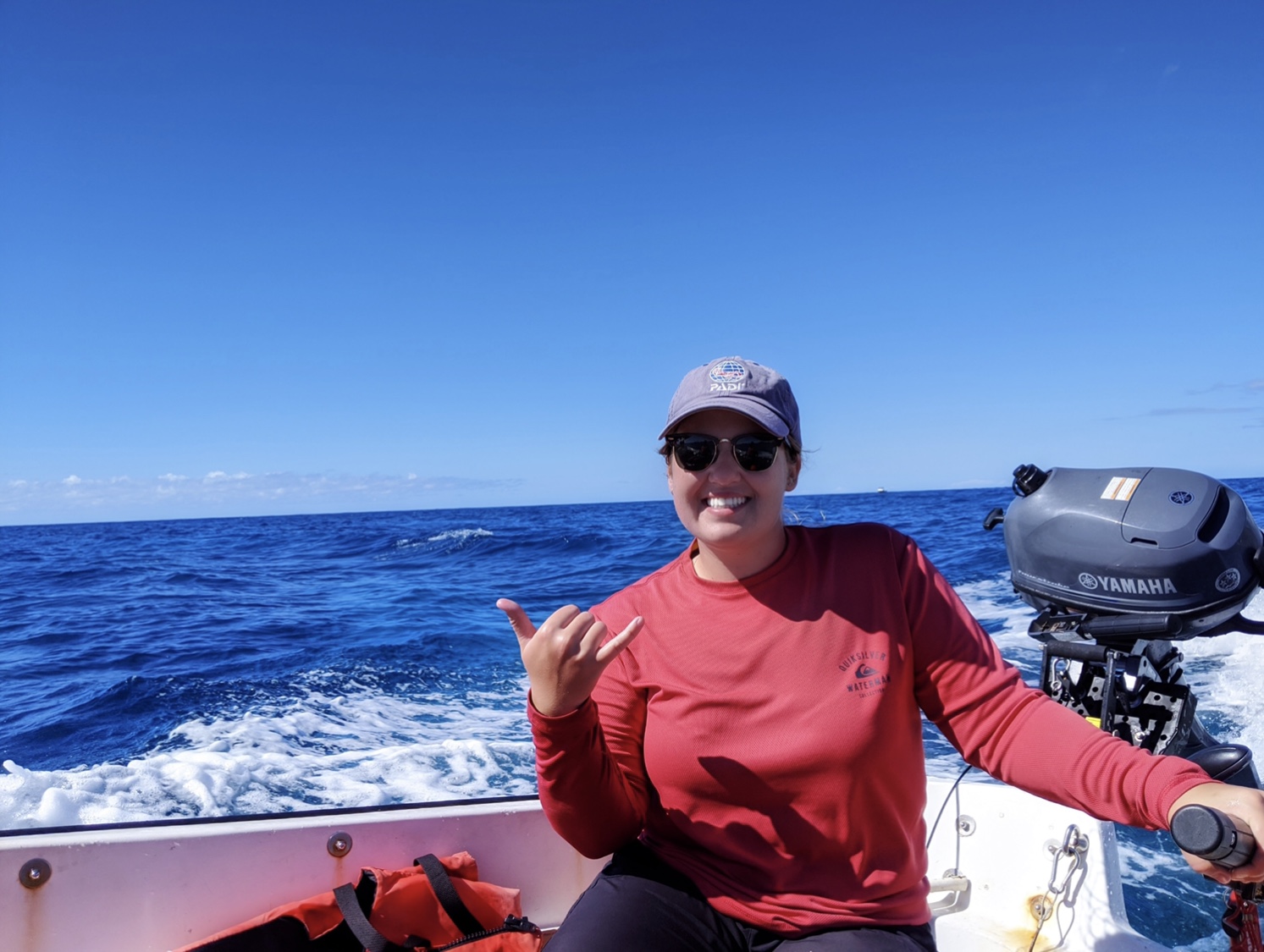 I graduated from the University of the Virgin Islands in 2018 having studied sea turtles (Chelonia mydasm, Eretmochelys imbricata), invasive seagrass (Halophila stipulacea), tiger sharks (Galeocerdo cuvier), nassau grouper (Epinephelus striatus) at Scripps, and exoplanets at NASA. I am a Ph.D. student under Dr. Carl Meyer studying reproductive ecology and mating behavior of sandbar sharks (Carcharhinus plumbeus). My research aims to identify critical habitats for sandbars and will be the first to use a novel combination of non-lethal visual tools, such as shark-borne cameras, ultrasonography, and BRUVS (Baited Remote Underwater Video Stations) to characterize shark reproductive ecology. My methodology and results have the potential to further our global knowledge of shark reproduction, mating behavior, and pupping, and facilitate future studies, conservation, and management for ecologically significant apex predators. In addition to research, through scientific communication, I aim to encourage women and minorities to consider careers in science, technology, engineering, art, and mathematics (STEAM). In my spare time, I enjoy movie-going, relaxing with my cats, gardening, and scuba diving.
Julia Hartl
PhD Candidate
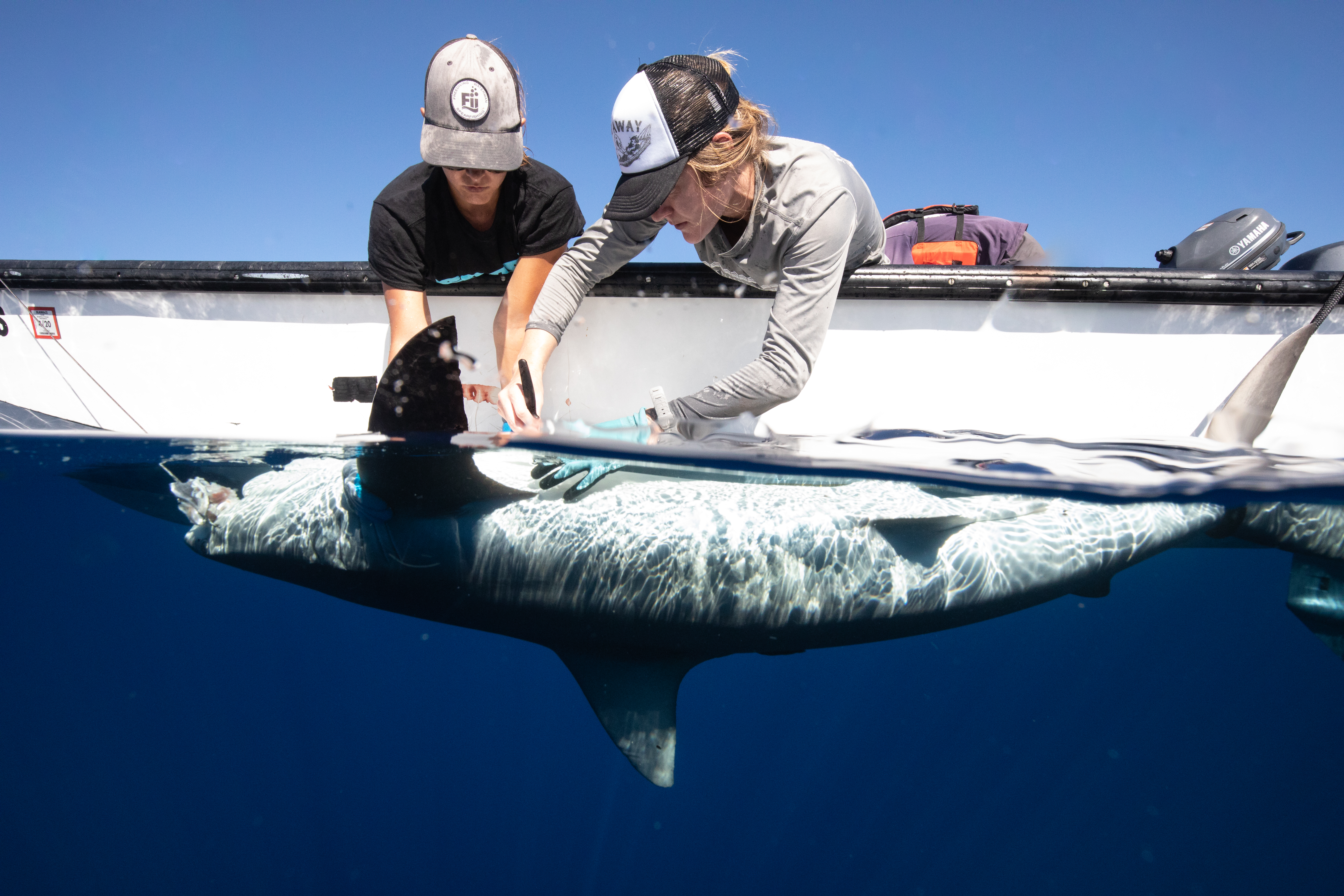 Marine Biology graduate student in Holland /Meyer Shark / Pelagics Lab; dissertation quantifying longterm impacts of North Shore O’ahu shark ecotours on the movements, diet and energetics of target shark species (Carcharhinus galapagensis, Carcharhinus plumbeus, Galeocerdo cuvier). This year I work as a graduate student in HIMB ToBo genetics lab building an eDNA reference library for invasive Cnidaria. In graduate school, I review the proponents and oppositions to global shark ecotourism and I am interested in shark species of the Pacific for genetic drift, population dynamics and patterns of connectivity. Additionally, I study shark-human interactions over time in acknowledgement of interdisciplinary ways of knowing and understand that sharks are a part of a much greater ecosystem balance. Originally from the Bay Area in California I moved to O’ahu after high school to study Biological sciences at HPU in 2009. Outside of study hours I began to build experience and credentials working on and in the water as a local dive guide, boat captain, and lifeguard. In 2014 I began working on MV Searcher as research assistant and vessel crew on seasonal voyages to Papahanaumoukuakea, NWHI. I now sit on the Board of Directors for the LLC in association with non-profit partner Ocean Conscious.
In 2015 I began to focus on sharks , specifically around Hawaiian Archipelago. In 2019 I returned to Academia under Dr. Carl Meyer and in 2021 I built my Ph.D committee including Dr.s Kim Holland, Yannis Papastamatiou, Randy Kosaki, and Noelani Puniwai. In 2022 featured as a supporting role in Maui Shark Mystery on Disney + for Nat Geo Shark Fest.
Paige Wernli
PhD Candidate
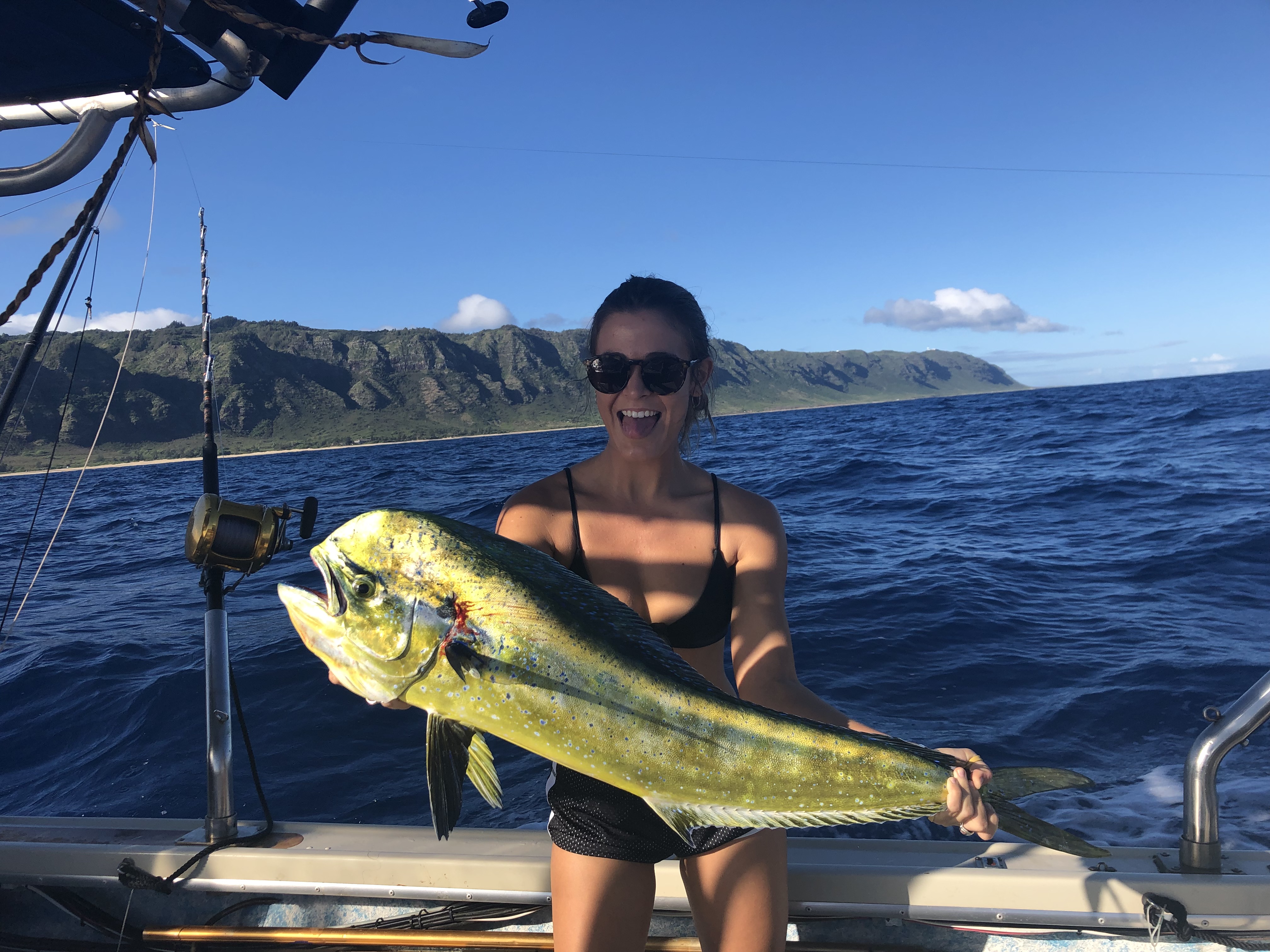 I earned my BSc from Hawai’i Pacific University in 2018 where my capstone research project focused on the movements of oceanic whitetip sharks around fish aggregating devices and was completed with the help of Dr. Melanie Hutchinson and the Shark Tagger team. As an undergraduate I worked with Dr. Jorge Fontes at the University of the Azores and learned about the use of minimally invasive biologging tools on blue sharks and mobula rays; I now use these methods for my thesis research under advisor Dr. Carl Meyer. My current research focuses on decoding scalloped hammerhead shark aggregation behavior around an oceanic island. I use an innovative dorsal fin clamp deployment method to deploy CATS camera accelerometer packages on free swimming scalloped hammerhead sharks at aggregation sites.
Kaylee Scidmore-Rossing
MSc Candidate
 I am a master’s student at the Hawai‘i Institute of Marine Biology (HIMB) in the Shark Lab, working under Dr. Carl Meyer. My research focuses on the behavioral responses of tiger sharks (Galeocerdo cuvier) to magnetic and electrical deterrent devices. Using baited remote underwater video systems (BRUVs), I study shark interactions to evaluate the effectiveness of non-lethal deterrents in reducing human–shark conflict. My work blends animal behavior, sensory biology, and conservation to inform both public safety and shark protection. I’m also passionate about science communication and engage in educational outreach and community partnerships to help make marine science more approachable. From elementary to undergraduate mentorship, I strive to create inclusive, hands-on learning experiences that build confidence and encourage students—especially those from underrepresented communities—to explore careers in marine science.
Bella Sorovakatini
MSc Candidate
I received my BSc in Marine Science from the University of South Pacific, and my connection to the ocean is rooted in growing up in Fiji. My masters research focuses on the movement ecology of reef manta rays (Mobula alfredi) in the Yasawa Islands, where I’m studying seasonal patterns through tagging and field observations. As a Shark Lab research assistant, I support field and computer-based projects, especially BRUV deployments and video coding, turning underwater data into stories that advance elasmobranch conservation in both Hawaii and Fiji.
Brittany Evans, MSc
Shark Research Specialist
Photo and Bio Coming Soon
Chloe Blandino, MSc
Shark Husbandry Specialist
Photo and Bio Coming Soon
Edward Cardona, MSc
Shark Research Coordinator
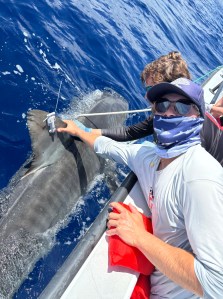 I am a recent Master’s graduate in Marine Biology from the University of Hawaiʻi at Mānoa, where I conducted research under the mentorship of Dr. Kim Holland. My graduate work focused on evaluating the effects of putative electrical and magnetic stimuli as deterrents on captive juvenile tiger sharks (Galeocerdo cuvier). I also hold a Bachelor’s degree in Applied Marine Biology from Bangor University in Wales, UK. I currently serve as the Research Coordinator for the Holland Lab at the Hawaiʻi Institute of Marine Biology. In this role, I am is involved in the design, testing, and implementation of innovative shark deterrent technologies through captive trials. I also manages the lab’s IT infrastructure and oversees field operations, including fishing expeditions and the deployment of SCOUT Tags. These satellite-linked tags collect real-time temperature and depth data from free-swimming sharks, which are integrated into the Integrated Ocean Observing System (IOOS) Data Assembly Center (DAC) to support oceanographic and meteorological modeling efforts.
Lily Rogers
Shark Video Coder
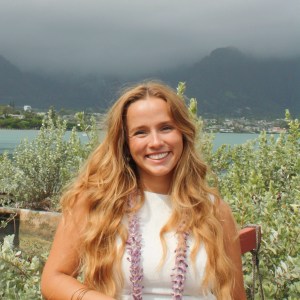 I received my B.S. in Marine Biology at the University of Hawaii at Mānoa in 2024. Currently working as research staff at the University of Hawaii Shark Research Lab, I assist graduate students and other staff members with their research while also managing my own projects. I collaborate on multiple studies testing the effectiveness of commercially available deterrents in wild baited scenarios using baited remote underwater video systems (BRUVS). My personal research focuses on targeting different biosensory systems in elasmobranchii to reduce bycatch and depredation in both commercial and recreational fishing, as well as to minimize negative interactions between elasmobranchii and humans.
Molly Deppmeier
Shark Video Coder
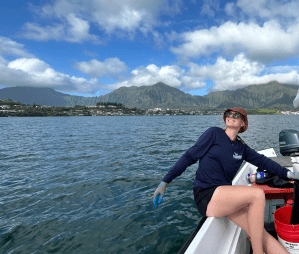 Originally from Montana, I moved to Hawaiʻi in 2019 to pursue a BSc in marine biology from the University of Hawaiʻi at Mānoa. I first joined the Shark Research Lab in 2022 as an undergraduate intern where I gained experience in both husbandry and fieldwork operations, and had the incredible opportunity to continue with the lab as research staff shortly after graduation. Assisting in several graduate and lab-wide projects both in the field and behind the computer, I now work alongside our team to employ non-invasive stereo BRUV (Baited Remote Underwater Video) systems in order to explore shark and ray electromagnetic sensory abilities and how their behaviors are influenced by external stimuli. Additionally, my main scope of work utilizes BRUV stereo imagery and photo identification methodology to catalog specific tiger shark (Galeocerdo cuvier) individuals in Hawaiʻi and bull shark (Carcharhinus leucas) individuals in western Fiji, allowing comparisons of size and distribution of these individuals. When I’m away from the computer, I assist with both large and small scale fieldwork operations that contribute to the lab’s wide-ranging research efforts.
Tyler Stynes
Shark Video Coder
Photo and Bio Coming Soon
Mickey Johnson
Shark Husbandry Assistant
Photo and Bio Coming Soon
Sarah Emerson
Shark Husbandry and Research Assistant
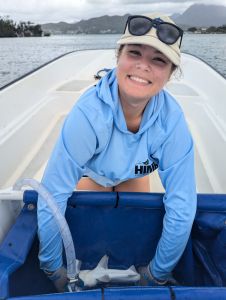
I earned my B.S. in Marine Biology from the University of Hawaiʻi at Mānoa, with a secondary focus in Environmental Economics. As an undergraduate, I interned with the Shark Lab for two years and in that time completed a thesis on shark reproductive biology using the labs legacy data, fostering my passion for hands-on research and elasmobranch husbandry. I now work in the Shark Lab as a husbandry and research assistant, helping support ongoing studies on the behavior and sensory systems of Hawaii’s shark species. I’m especially interested in how sharks experience and interact with their environment, and how understanding their behavior, sensory biology, and reproductive patterns can support effective, science-based conservation.
Dave Itano

My primary research interests have concentrated on the biology, movement and behavior of tropical tunas, billfish and sharks and how to reduce impacts on these stocks and associated bycatch species. I have worked with a number of fishery offices and organizations throughout the Pacific since the early 1980s. Some of that work involved large-scale mark/recapture studies examining the movement, interaction and exploitation of tropical tuna stocks that drive small and large-scale fisheries. From 1993 – 2012 I conducted a variety of projects with the Pelagic Fisheries Research Program of the University of Hawaii (SOEST) involving studies on the biology, movement, FAD related behavior and exploitation of tropical tunas. For the past ten years I have worked as a fisheries consultant contributing to the scientific committees of regional fishery management organizations and other regional organizations and NGOs. I have direct experience in several commercial fisheries with an interest in fishing technology and the impact of effort creep and improved efficiency on CPUE and stock assessments. Recent interest has been on efforts to reduce impact on tuna bycatch species, especially oceanic sharks through improved fishery monitoring and bycatch handling/release practices. After a 12-year absence I have rejoined the Shark Lab of the Hawaii Institute of Marine Biology working on shark
Mohammad Shadman Ishrak, PhD
Electrical Engineer
Photo and Bio Coming Soon
Mike Mason
Imua Captain
Photo and Bio Coming Soon
 Shark Research Lab